




A conversation with José y Paloma Moriana
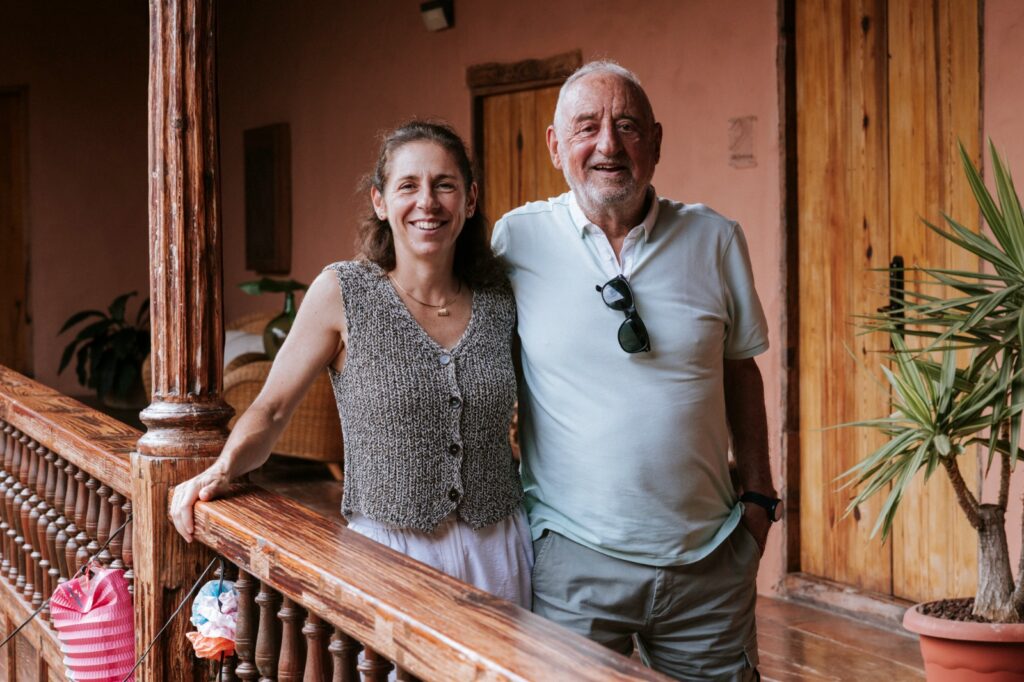
On 1 November 2026, Hotel La Quinta Roja celebrates 25 years since it first opened its doors. To mark the occasion, we sat down with José Moriana, the hotel’s founder and owner, and his daughter Paloma, who has run the house since its opening day, to look back at where this project began.
This is the story behind La Quinta Roja, a family hotel born from the commitment of one Garachico native, José Moriana, and his family to their hometown.
From Pepito, the boy from Las Cruces…
José Moriana — Pepe to his friends, Pepito to those who knew him as a child — was born in Garachico, in the neighbourhood of Las Cruces, in the lean years after the Spanish Civil War.
“Being born in Garachico marks you,” he tells us. “If you’re born here and grow up in that world, with the friends who grow up alongside you, the ones you learn to swim with, to fish with, to spot a lizard or a hoopoe in the fields… You learn that your backyard is all of nature, from Garachico up to El Tanque. And then someone comes along and starts telling you about the history of Garachico: how it was the most important port in the Canary Islands, how countless convents and religious orders flourished here, how the Garachico militia that made Nelson withdraw his ships from Santa Cruz de Tenerife came from here. All of that inside a restless boy like I was gives you a very strong sense of identity.”
Being the son of a schoolteacher, growing up amid the scarcity and hardship of the post-war years, and watching neighbours and relatives emigrate to Venezuela in search of a better life awakened in him a social conscience that has stayed with him all his life.
Pepe has never lost his roots or his ties to his people — his dear childhood friends, among them Carlos Acosta, journalist, historian and official chronicler of Garachico, who passed away recently and whom Pepe named Condestable (Constable) of La Quinta Roja in 2005.
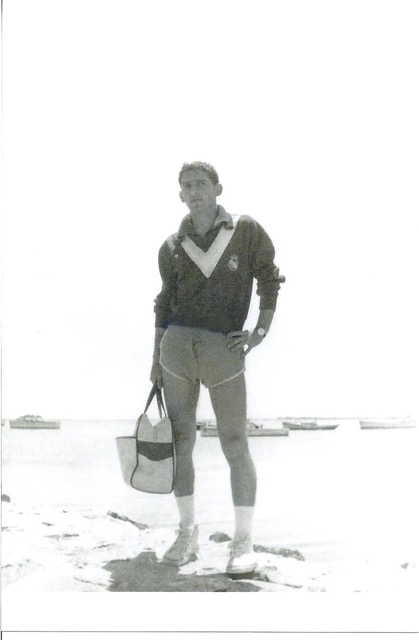
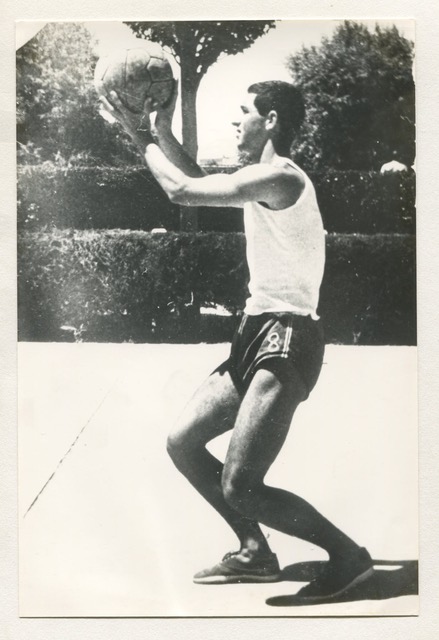
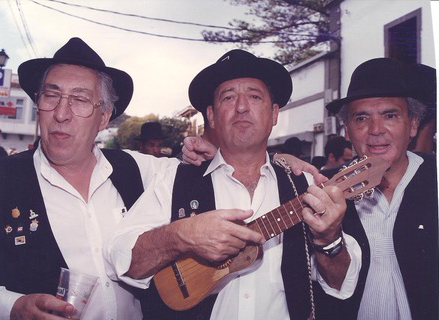
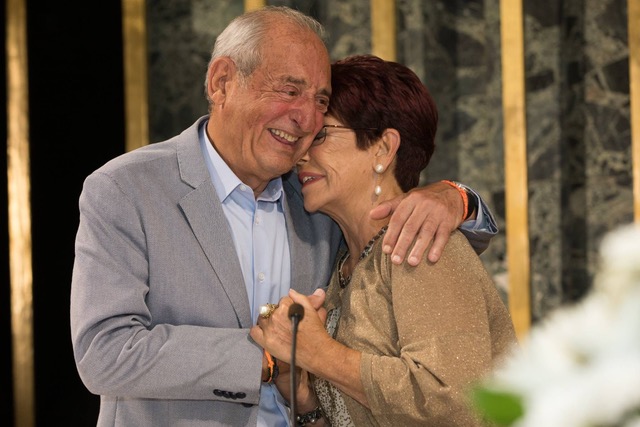
…to Don José, Distinguished Son of Garachico
In the late 1980s, after many years living in Gran Canaria and building a career in hospitality and sport, Pepe Moriana received an unexpected gift from his hometown: it named him Garachiquense Distinguido — Distinguished Son of Garachico — in recognition of his professional career.
At the time, Garachico was laying the foundations to shift its economy from farming and fishing towards services, based on cultural tourism and built on its remarkable historic heritage.
The first steps to attract visitors had already been taken. Around then, the Carayon family had bought and restored the house of the Ponte family to turn it into the town’s first hotel, Hotel San Roque. And it was then that the town council put the house of the Marquis of La Quinta Roja up for sale.
A decision made with the heart
The palace of the Marquis of La Quinta Roja, built in the second half of the 17th century, had once been one of the most important buildings in town, but it lay in ruins. “Collapsed, with traces of fires, with animal remains,” Pepe recalls.
As a boy he walked past this house thousands of times. He remembers Doña Chana, a woman who lived in a room on the upper floor and every day lowered a basket on a string from the window so someone would buy her what she needed. He never saw her face.
He also remembers walking from Las Cruces to the corner shop to buy oil and other things for his mother. There they told him stories about the nuns who had lived in the Marquis’s house for forty years after the volcanic eruption that destroyed much of Garachico, their convent included.
So, many years later, when “lots of people here kept telling me,” he says, “‘Pepe, you’re a hotelier, you’re from here, don’t let a foreigner take this,’” something stirred inside him.
That phrase was his inner trigger. The boy from Las Cruces who had grown up on stories of the golden age of the Villa y Puerto de Garachico, now a businessman and hotelier, decided he wanted to contribute to his town’s future and set out to bring this emblematic house back to life.
An almost archaeological restoration
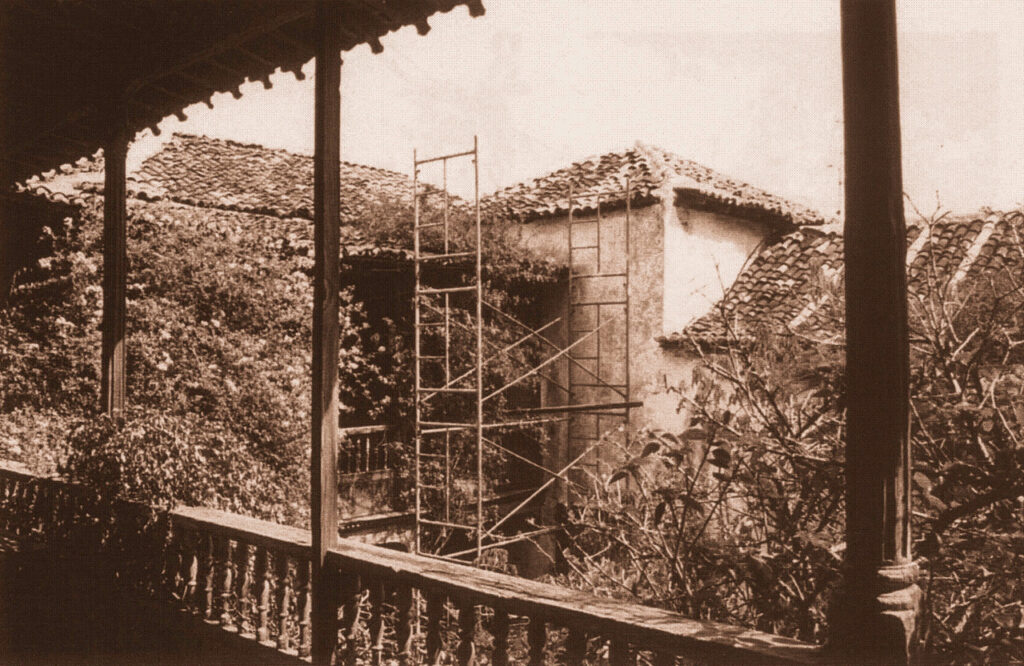
Restoring the palace was no simple renovation: the house was badly deteriorated, and its previous owners had never been able to take on the work because of its high cost.
Ninety per cent of the original structure was preserved, although it required, in Pepe’s words, “a very thorough going-over”.
To do it, they brought in the only craftsmen in La Orotava specialising in tea wood — the resin-rich heartwood of the Canary Island pine — who set up their own machinery on site, in what is now the hotel’s dining room.
The re-roofing alone — completely rebuilding a roof more than 300 years old — accounted for 40% of the total cost of the restoration.
Some pieces that seemed beyond saving were rescued, such as the aljimez, the latticed window from which ships could once be seen sailing into the port of Garachico. It was “practically destroyed, almost non-existent”; today it is one of the jewels of the house.
There were also deliberate decisions not to restore everything, such as most of the bedroom doors, which are the originals. “I wanted the age and history of the house to show,” Pepe explains. Where doors were replaced, Paloma says, “we kept the old lintel and put in the new door, so you can see the difference.”
Paloma, the hostess of La Quinta Roja
His daughter Paloma Moriana was then a young woman living and working in Las Palmas de Gran Canaria, with no plans whatsoever to move to Garachico.
“I said to her: Paloma, I’m going to do this — are you interested? And you said yes, on the spot,” Pepe recalls. She admits, laughing, that she accepted “without really knowing what it involved”, and that a year later she was wondering what she had got herself into: moving from a city to a village, she says, “is much harder — you don’t have everything close by, you have to organise yourself differently.”
She still remembers the day she arrived, her car loaded with all her belongings, to settle in Garachico: 15 January 2001.
Twenty-five years on, Paloma feels Garachican by adoption and still runs the hotel, carrying on her father’s legacy. For Pepe, that sums up the whole project: “It’s thanks to you coming here that this is what it is today. They say that when you love something, you give it the best of your life, don’t they? Well, I gave my daughter to Garachico so she could carry this on.”
The philosophy of the house
Her father says Paloma never needed advice on how to welcome a guest: “She was born in a hotel, so she knows what good hospitality means: it isn’t carrying plates or cashing up, it’s leaving a fragrance, laying foundations. Like when a tailor makes you a made-to-measure suit and it fits like a glove.”
She sums it up from her own experience as a traveller: “I do what I like when I travel: give what you’d like to receive. Here guests feel at home. They’re like your guest, as if you’d invited someone into your own house,” says Paloma.
The foundations of the idea
Months before the opening, Paloma began putting together the team that would open the hotel with her. They took a course on historic heritage to get to know the town and the history of the house, and went on many nature walks to learn the surroundings inside out.
Paloma’s original idea was to run guided tours and walks for guests themselves, but “you realise the hotel alone was already plenty. Then local companies specialising in that started to appear, and in the end it’s better, because you hire those people, they’re local, you create activity, and there’s a great synergy between the nature companies and the hotel — you give more work and more opportunities to other people.”
A natural way of living
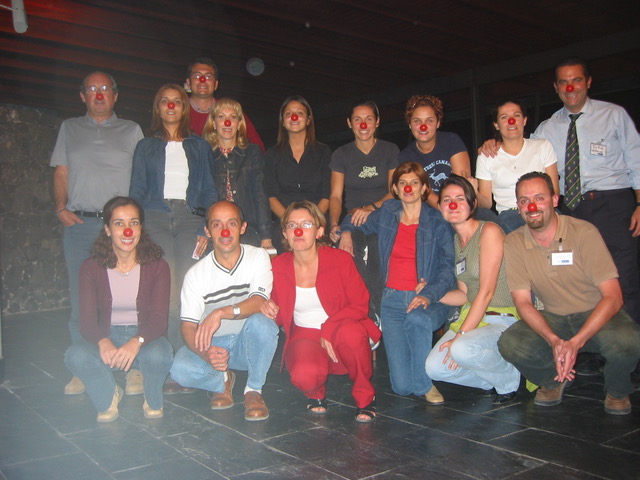
Paloma still remembers the working meetings where they laid out every idea they wanted to put into practice. One of those brainstorms produced a slogan that has stayed with them throughout these 25 years and sums up La Quinta Roja’s philosophy: “Una forma natural de vivir” — a natural way of living. A slogan created not by an advertising agency, but by the team itself.
“We don’t want stars, we don’t want maîtres in gleaming uniforms, we don’t want nonsense, we don’t want five stars. What we want is to live naturally, the way we know how to do things. And from that mix of geography, architecture and art with people — that’s where it came from,” Pepe concludes.
La Quinta Roja is Garachico
Talking to Pepe, it quickly becomes clear that this project was never just a business for him, but a moral commitment to his town. For him, “this house has Garachico’s identity, it has Garachico’s history, it is Garachico. This hotel is Garachico.”
“And I believe it’s not only us, as custodians of the property, who have to look after it — not just its physical fabric, the tea wood, the coffered ceilings, the architecture — but the people of Garachico too, because many people come to this hotel and take away a very distinctive fragrance of Garachico. In our 25 years, Paloma has built up a lot of repeat guests, and that means an identity is being passed on — not only through the hotel, but through Garachico, because the hotel is Garachico.”
A hotel with identity
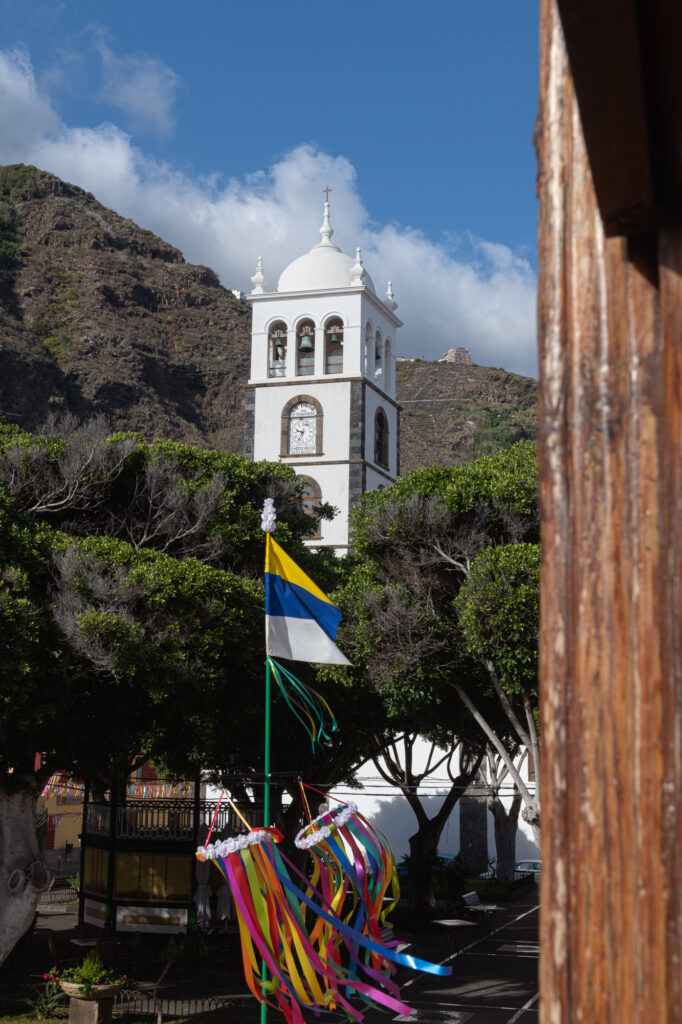
“The guest who comes here is looking for that identity, not an impersonal hotel,” Paloma tells us, as the bells of the Church of Santa Ana ring in the background.
That unique identity that sets Garachico apart from anywhere else: its history, its people, its food, its traditions…
A house open to knowledge
Both fondly remember the conferences they organised in the hotel’s early years. The aim, Pepe says, “was to follow a path we had more or less mapped out: to give Garachico not just a folkloric, village-fiesta character, but a more intellectual one, more time-honoured, truer to the identity of all those who came before us, whether clergy, soldiers, fishermen or farmers.”
Within these historic walls they debated volcanology and other towns that had overcome natural disasters, and even searched for the meaning of the word joy. Philosophers, scientists and volcanologists came, representatives from Pompeii, Biescas and Venezuela — even the bishop.
The energy that fills the hotel
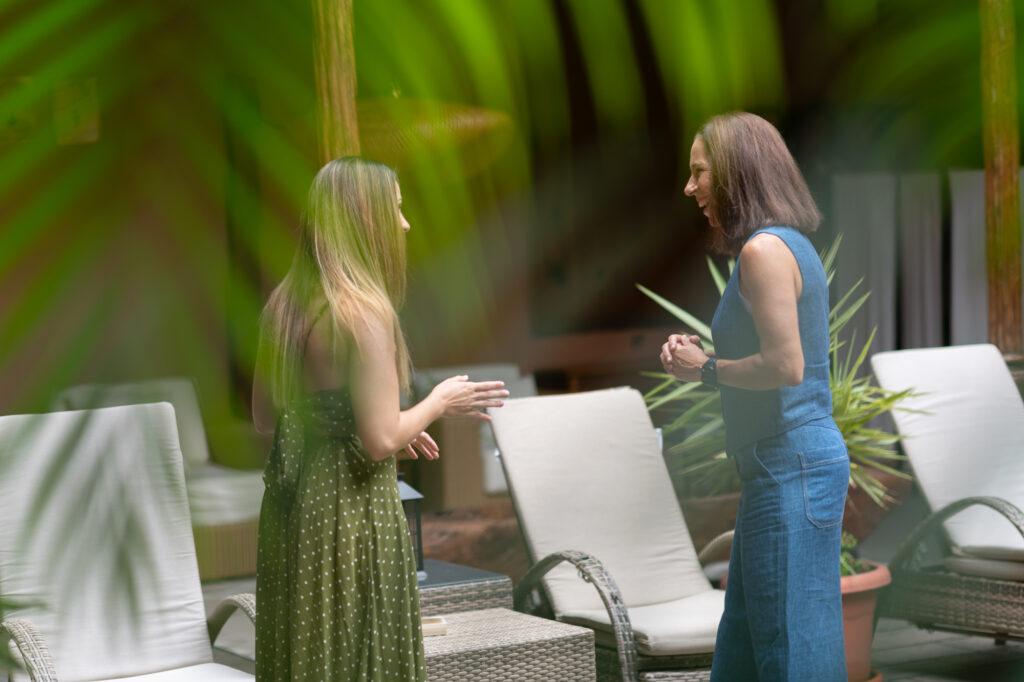
If there is one thing every guest agrees on when they talk about the hotel, it is that the place has a special energy that makes them feel at home.
“Guests often feel that way, as if they were in their own home. And well, I’m here a lot, but without the staff I have it couldn’t be done — forget it,” says Paloma.
“You know there are many people who believe in energies and many who don’t. Well, everyone who comes here says there’s positive energy. So I always say that positive energy is mine, because I come to work every day,” Paloma says, laughing.
25 years of tourism in Garachico
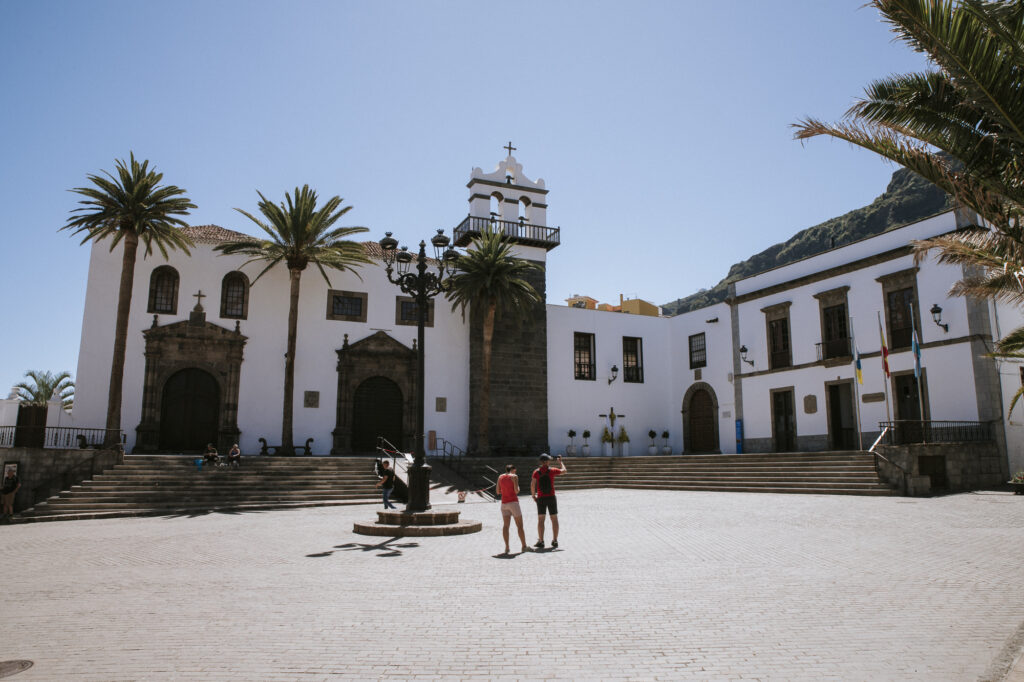
Garachico has changed a great deal in these 25 years. Pepe gives the example of Las Cruces, the neighbourhood where he was born, where the first settlers’ houses have become holiday rentals and the area has filled with foreigners.
“Another thing that has changed in these 25 years is the number of people coming into Garachico,” says Paloma. “In the end we live off our guests, but too many people come. I think it’s happened everywhere. It has to be managed — that’s what we always say — it has to be managed so it doesn’t look like just anywhere else, so it stays distinctive and people come to see Garachico because it’s something you won’t find anywhere else.”
Pepe adds: “We have nothing against progress, but some of the genuine character is being lost. You mustn’t lose your identity — you can go mad. Today there are a lot of people, and with so many we could lose our identity. We could die of success.”
El alma de la casa
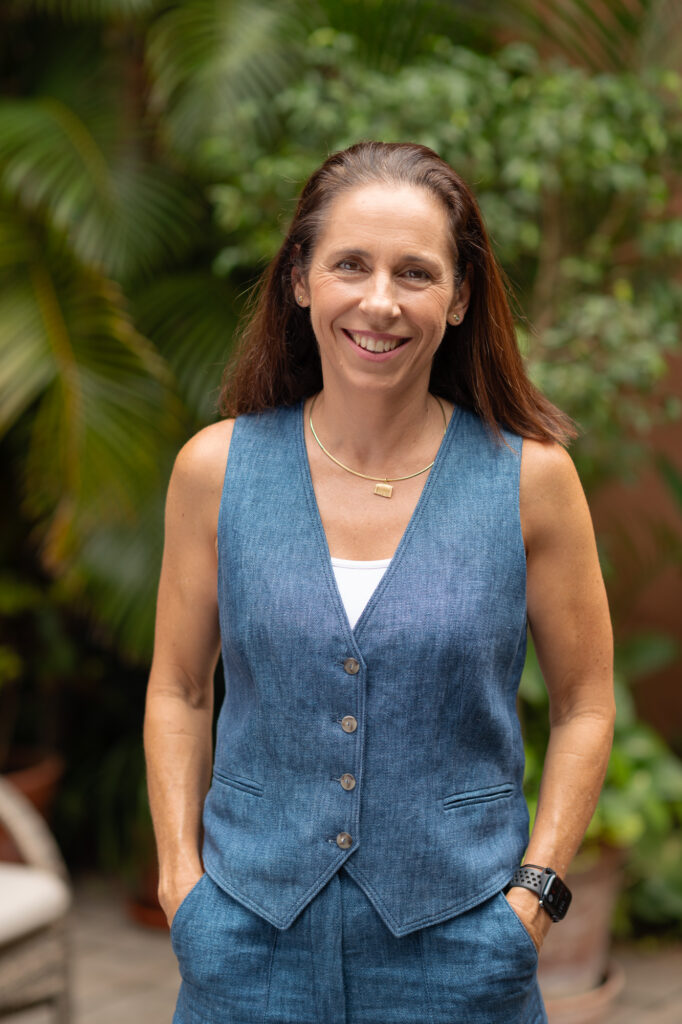
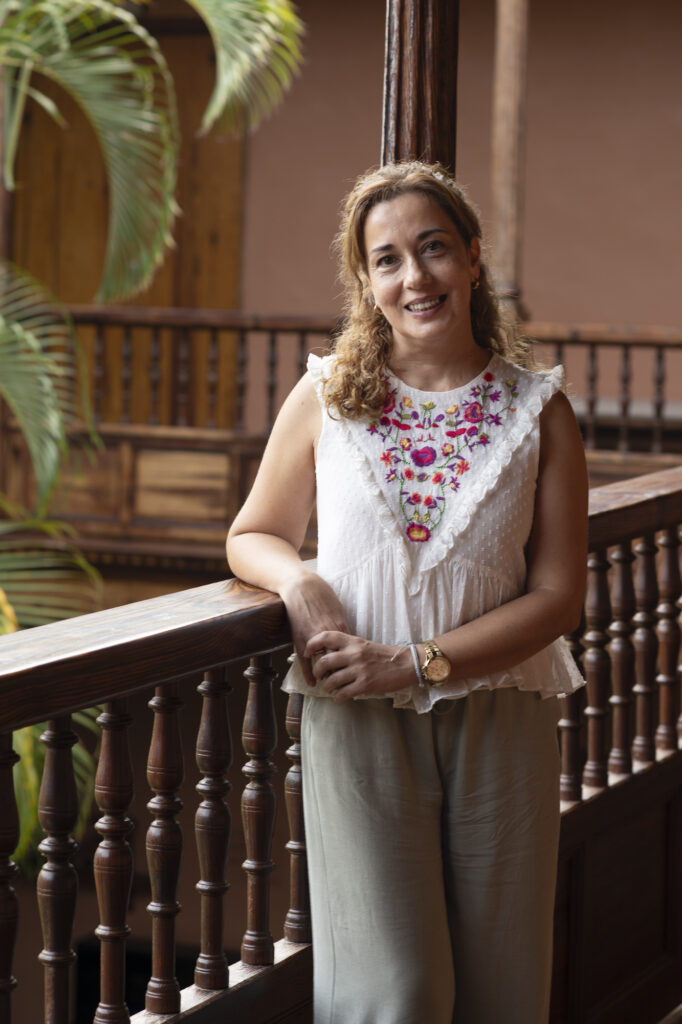
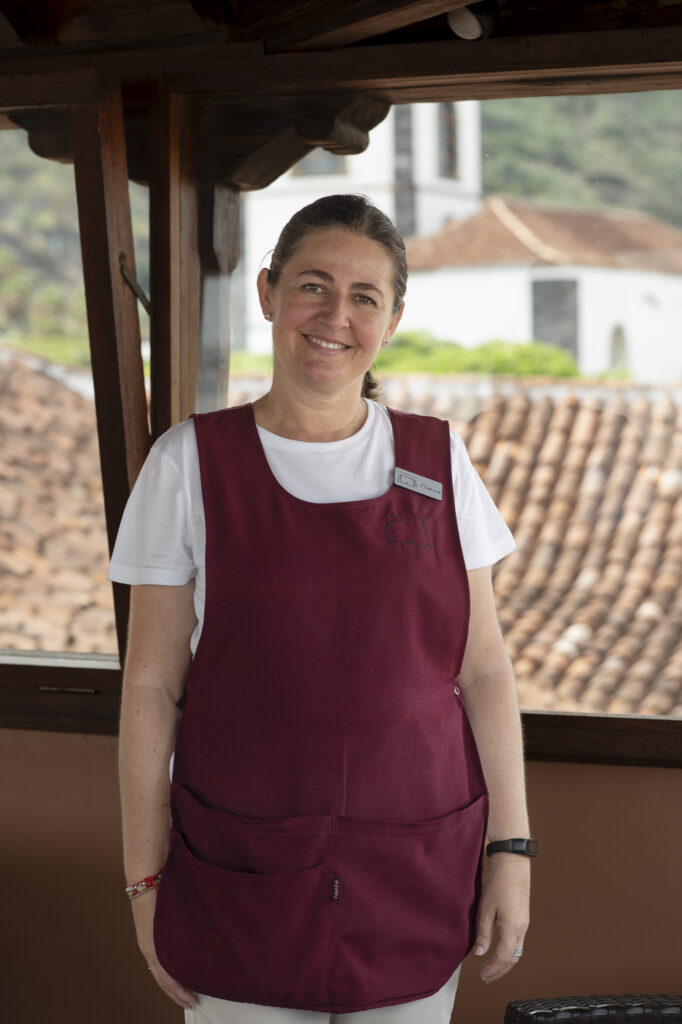
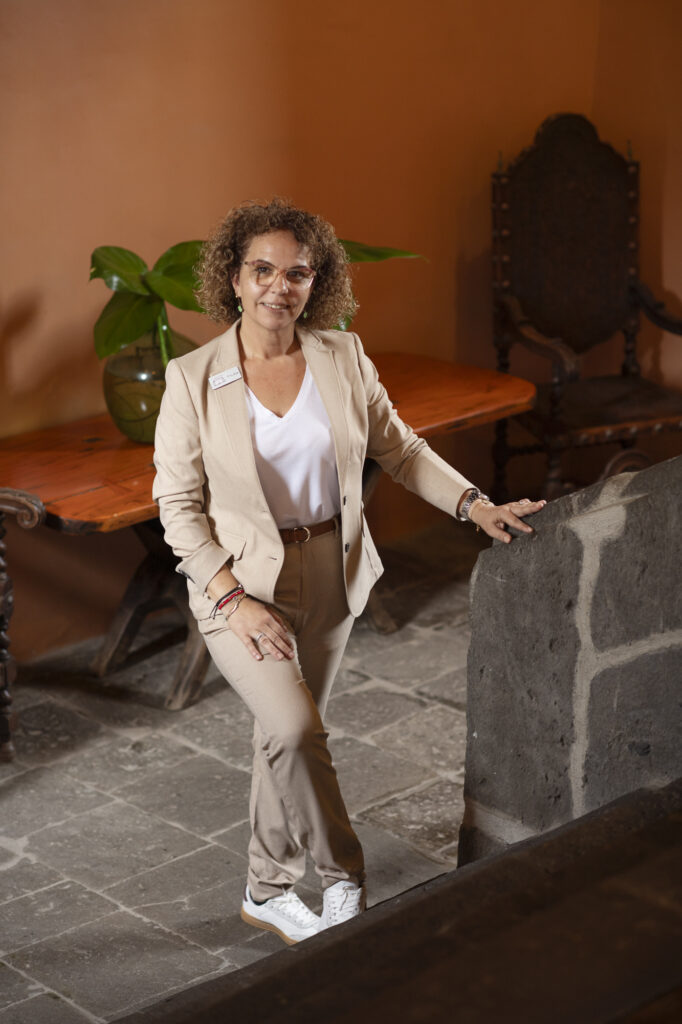
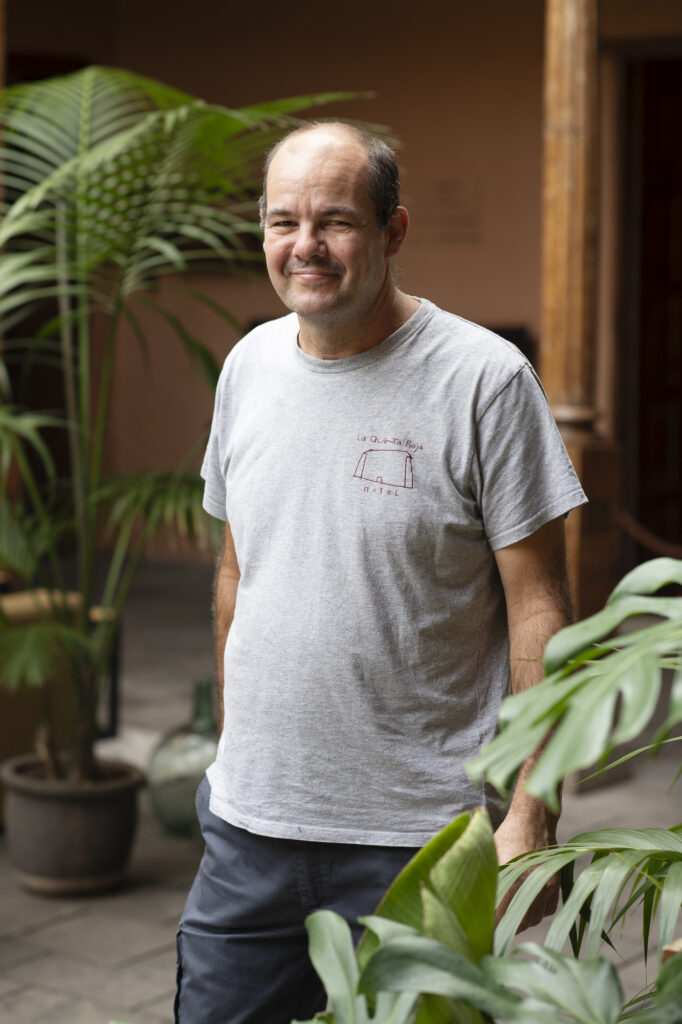
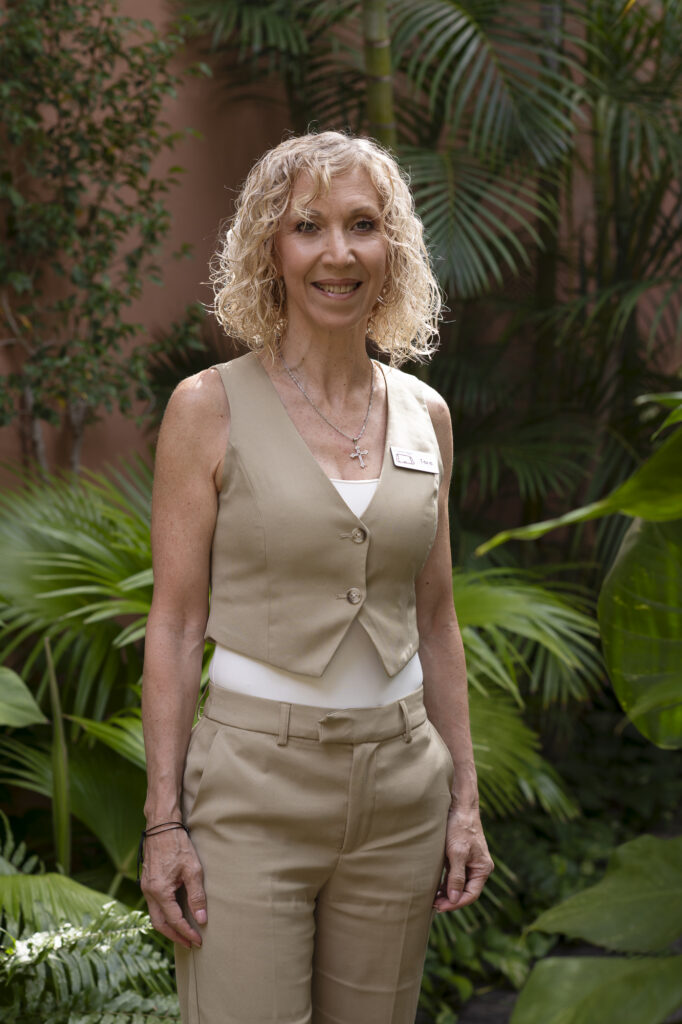
“Our goal now,” Pepe explains, “is to preserve this, to keep showing it as the very essence of a time when Garachico lived in splendour, and of doing things with grace, with art, with commitment I’d say — and we’re going to try to look after it. Above all because we have staff anyone would envy — the staff are the raw material, the real asset of this whole house, its soul — who keep it running with the very essence of Garachico, the very essence of the house, and the very essence of the joy of serving: that you feel good in my town because I’m the one looking after you.”
A future with history
Pepe concludes: “We have an obligation to maintain this, because it’s heritage, it’s Garachico’s own history. Possibly the best preserved of the old buildings, and the one that can best be shown to people as a piece of Garachico’s history — the very personality and essence of the spirit of Garachico.”
“History is a very interesting commodity: if you have history, you should be proud of it, because it’s an asset. So here we are, for as long as God wills — for as long as Paloma wants.”
Leave a Reply